
Create an Account
Password Reset

When designing a space dedicated to multi-generational living, one must carefully consider creating environments that cater to different lifestyles, preferences, and needs. With family members consisting of grandparents, parents, and children, selecting an optimal aesthetic and layout and other variables such as safety, integration, and privacy is crucial. Here are some tips and options to consider before embarking on a journey to create a home that will accommodate the whole family.

Credit: HDB
Accessibility and Safety
It’s important to consider how to ensure safety and provide equal access to the different features of a space when designing a home with elderly family members and children. For grandparents with limited mobility or dexterity, opt for entrances with wheelchair ramps and lever-style door handles that require less strength and provide easier grip compared to a more traditional door knob. For the bathroom, install grab handles around the shower area as a support and place adhesive stickers or mats to prevent slippery accidents. As for the kitchen area, integrate accessible cabinetry at lower levels to accommodate your children or for individuals using wheelchairs. Pull-out shelves are an easy way to accomplish this as well as innovative designs where a simple push forward on the outside of the drawer will trigger a mechanism that slides it out.
For those with small children, child locks are a simple yet effective way to ensure the safety of your kids and prohibit them from opening and damaging articles in your home. These can be put on liquor cabinets, drawers, windows, and doors. If your home has multiple stories, a small fence can be set up to prevent your child from endangering themselves around them. When furnishing your home, refrain from cluttering the living spaces and try to create an open flow for the pathways. Assemble furniture that has rounded edges to prevent the risk of injury from sharp corners.

Fostering Privacy And Community
With every family member living under one roof, it evokes a sense of community and a chance to form deeper connections within these relationships. However, it may also be grounds for disdain and contempt when there is a lack of privacy. A multi-generational home should strike a delicate balance to create a space that promotes communal activities as well as a haven to retreat to.
Set up separate bedrooms for each generation that provide personalized sections of the home and give each member the freedom of choice to incorporate their favorite features. As this is a space dedicated to them, the overall tone, aesthetic, and elements can be tailor-made to fit their needs and preferences.
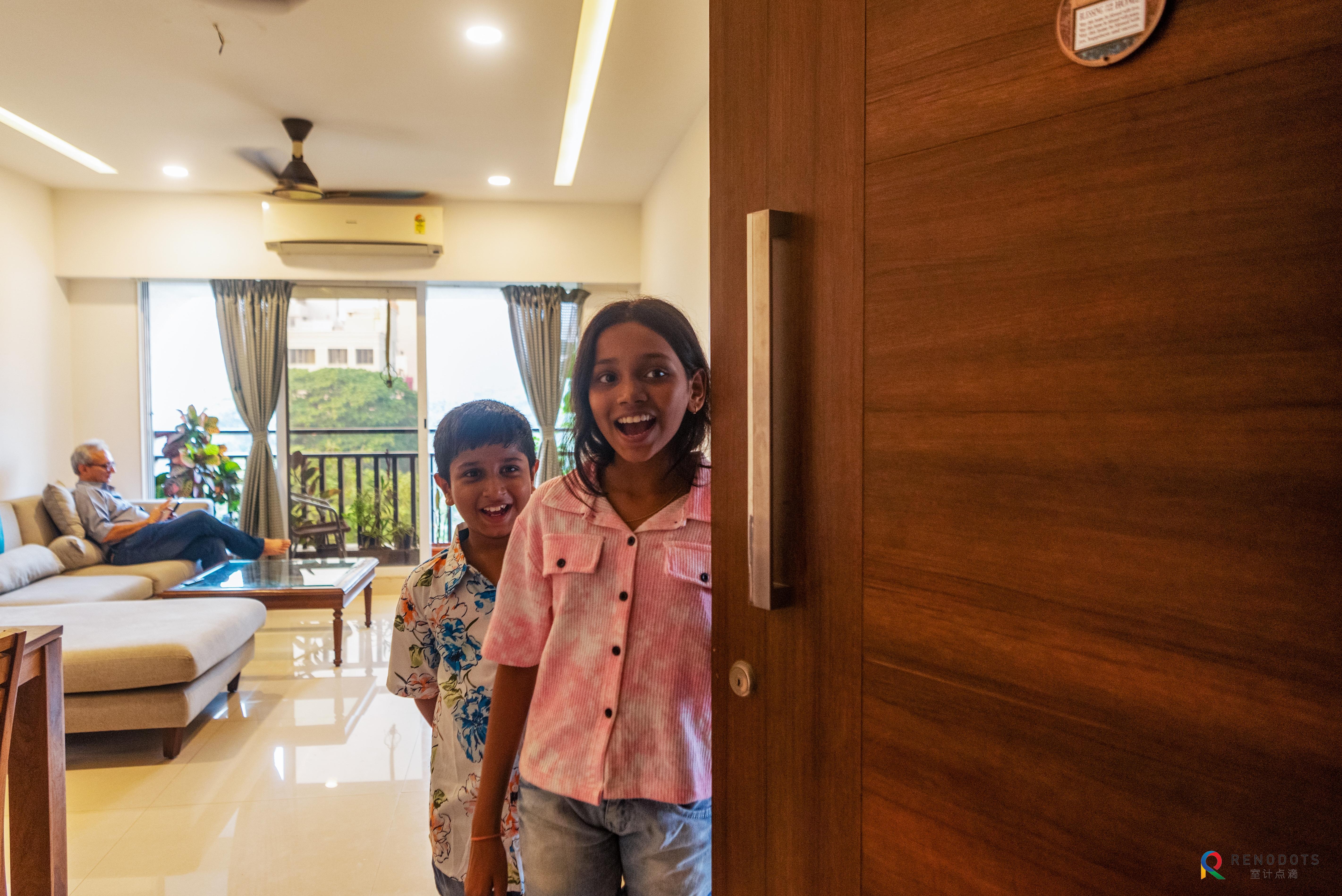
While the spaces for the bedrooms are made for the individual, shared spaces such as the living room, kitchen, and dining room should have features dedicated to communal activities. Open-concept designs are ideal for this as it fosters a sense of family and togetherness. Place comfy sofas, armchairs, and ottomans around the entertainment center of the living room for fun family-friendly movie nights or weekly board game nights. Set up a dining table for large family gatherings as everyone enjoys a warm home-cooked meal. For impromptu gatherings with a smaller number, consider adding a kitchen island or counter and surround it with cushioned chairs and stools.
Flexible Spaces and Multi-functional Furniture
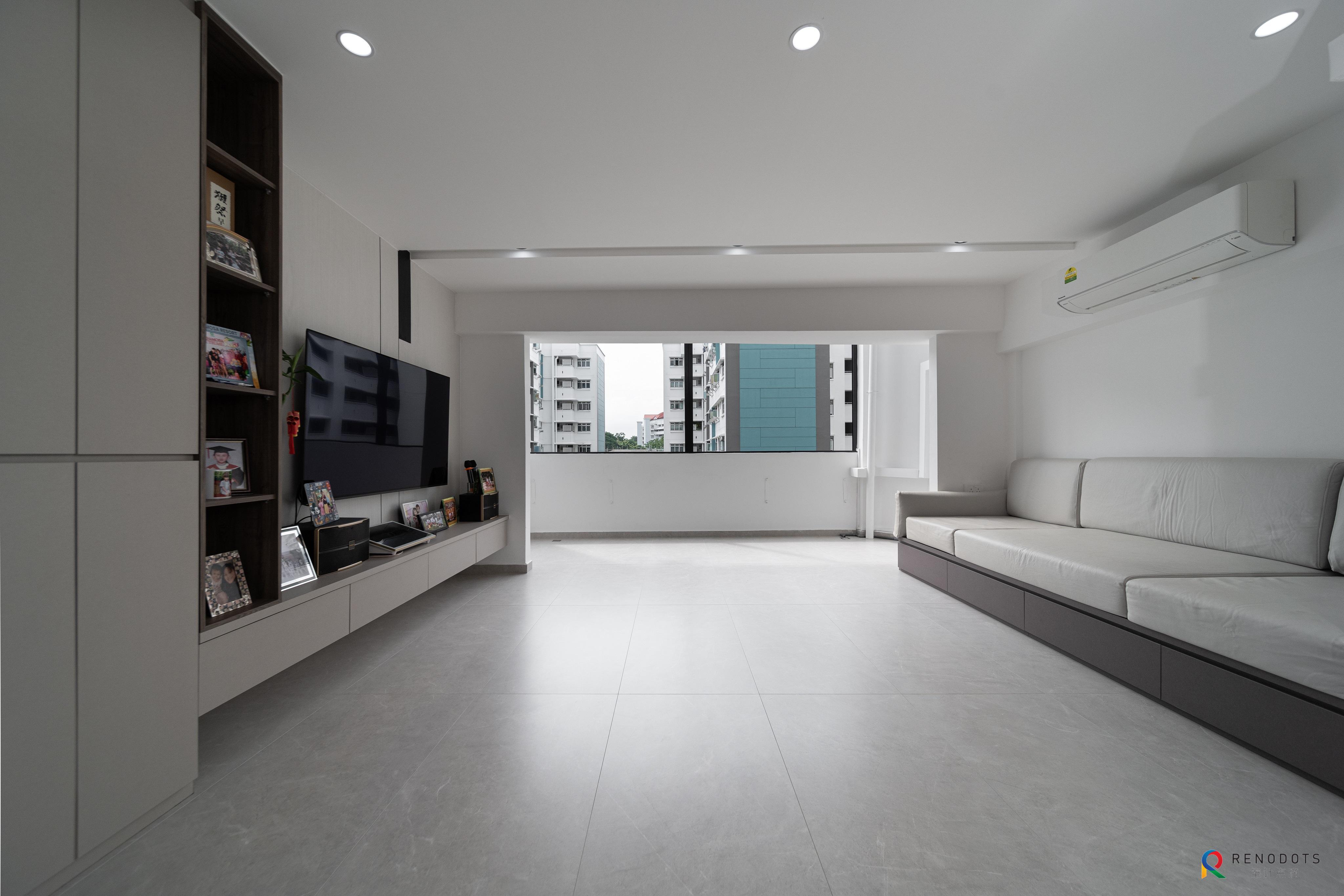
When sharing a space with multiple family members, space can often be at a premium. If this is the case, design rooms with flexibility in mind. Instead of having a fixed function for a spare room, a home office can also be used as a guest bedroom, a playroom for your children, or a reading room where anyone can relax and rewind. Think of space-saving options when considering the layout of the room. Opt for mounted shelves on the walls instead of a traditional bookshelf.
Foldable chairs, tables, and collapsible furniture are excellent alternatives that can be easily stored and rearranged to promote versatility and function for different activities. Invest in storage boxes or cabinets for miscellaneous items to be neatly tucked away and for easy retrieval when required. This small change will also encourage tidiness and promote discipline for younger children.
Natural Lighting and Greenery
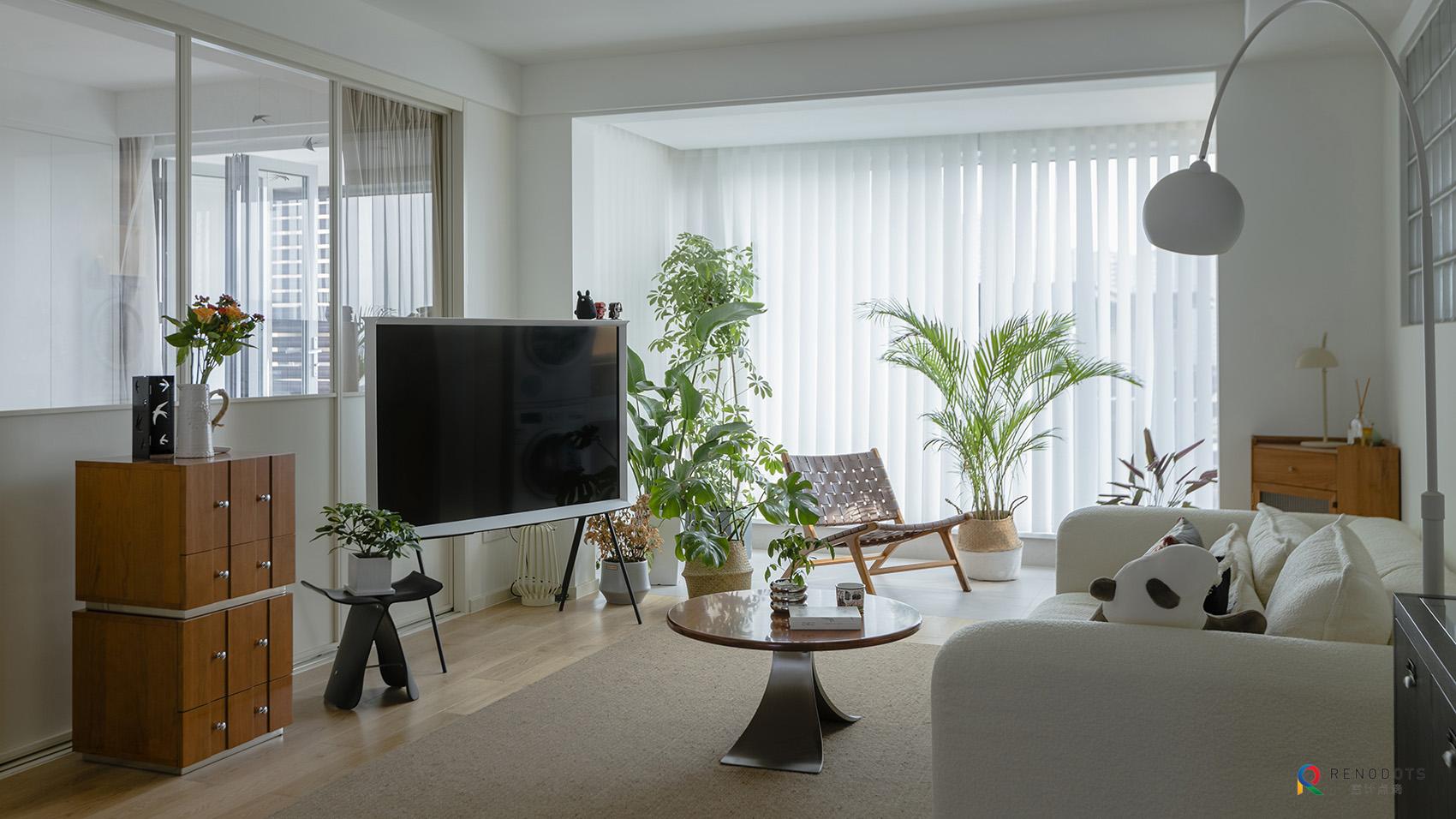
Drape your windows with thin wispy curtains or install blinds that allow natural light to cascade freely into your home. Studies have shown that natural light boosts mood, positively impacts well-being, and reduces stress levels. South-facing homes receive more sunlight so protect your eyes from the heat and glare of the afternoon sun with double blinds or thicker curtains. North-facing homes are blessed with a more gentle and diffused influx of natural light. Open floor plans are an excellent way to reach each section of your home and try to prevent any obstructions to light by strategically placing furniture and decorations.
Having house plants in your home also shares similar benefits to natural light with the bonus of improved air quality and biophilic benefits. House plants thrive in small spaces and various plants can be used to decorate each corner of your home. They are also great educational pieces for children teaching them patience and a sense of caretaking. Indoor plants are easy to maintain, require minimal attention, and add visual interest to your living spaces.
Technology Integration
Technology can seem troubling with many stereotypes of the elderly having issues with computers and gadgets and children obsessed with their iPads and having excessive screen time. However, modern features can cater to the diverse technological needs of each generation.
Individualized entertainment systems can be set up in each room to allow each family member to enjoy personalized content. Gaming systems can be integrated into your teen’s room. Alexa or Google Home are excellent automated personal assistants for your grandparents who aren’t familiar with complex buttons and commands. Smart home technology can alleviate mundane day-to-day tasks providing functions such as lighting control, temperature settings, and security. Parental controls can also be installed into the different entertainment devices to ensure that your children are not overusing them.
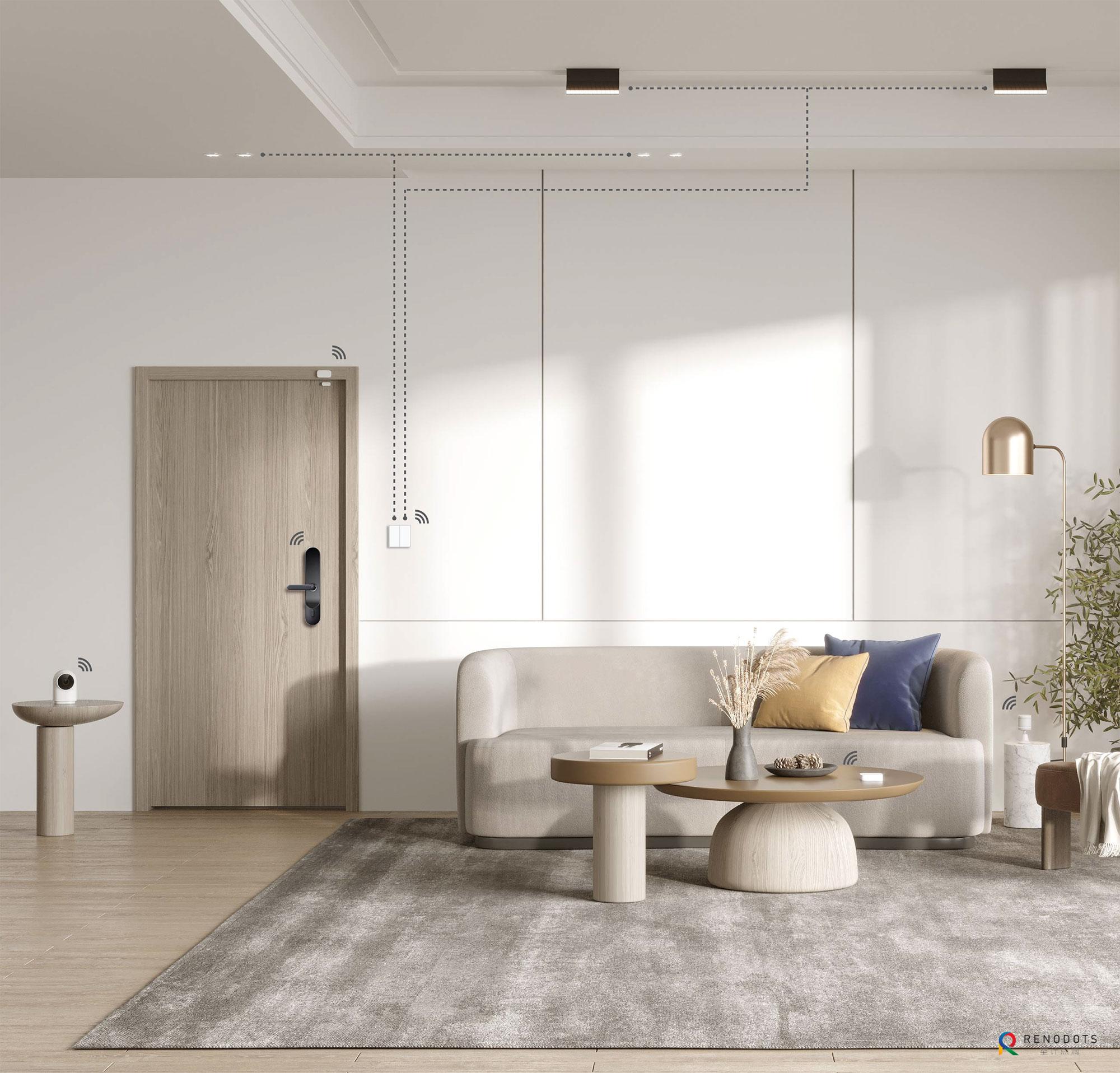
credit : https://homesmart.sg/
When designing a home dedicated to multi-generational living, allow each member to offer their input, and put thoughtful effort into considering their different needs and preferences. By incorporating accessibility, safety, and technology into spaces that provide both privacy and community, you’re investing in a home that fosters a sense of family and togetherness and creates a haven where everyone can feel like they’re truly home.


